To purchase the CE article in the ANFP Marketplace HERE or click the button below and complete the quiz.

This course is a level III continuing competence. View continuing competence level descriptions HERE.

Putting Food First: Enhancing Nutrient Intake for Clients Using Creative Approaches
By: Kristin Klinefelter, MS, RDN, LDN
AS A CERTIFIED DIETARY MANAGER, CERTIFIED FOOD PROTECTION PROFESSIONAL (CDM, CFPP), a key objective is to improve the nutritional status and health outcomes of clients across diverse healthcare settings.
One of the most effective strategies in clinical nutrition is prioritizing food-based interventions rather than relying solely on nutritional supplements. This “food first” approach involves fortifying or modifying the foods clients are already eating to increase their nutrient intake, particularly when appetite or medical conditions limit intake.
Fortifying commonly-consumed food items, such as cereals or breakfast foods, provides a valuable means to enhance nutrient density without overwhelming the client. Additionally, understanding how to calculate and meet protein needs, and provide key nutrients based on evidence from USDA research, is crucial for ensuring clients achieve adequate intake (scan QR code for DRI calculator). For those on dysphagia diets, such as those following the International Dysphagia Diet Standardisation Initiative (IDDSI) framework, food modification plays an even more critical role in providing nutrients in a safe, palatable manner.
In this article, we will explore strategies for fortifying food, applying the food first approach, and the economics of making fortified snacks in-house versus using commercial supplements.
UNDERSTANDING NUTRITIONAL NEEDS OF CLIENTS
Proper nutrition is essential for supporting body functions, healing, and maintaining health, especially in clinical populations. CDM, CFPPs must understand the specific nutritional needs of their clients and how these needs can be met through food. A fundamental starting point for fortification and food modification is understanding key nutrient requirements, particularly protein and micronutrients.
PROTEIN NEEDS AND CALCULATIONS
Protein plays a critical role in wound healing, immune function, and muscle maintenance. For many clients, particularly those in healthcare settings or elderly individuals, protein intake may be inadequate. Protein needs can vary significantly based on an individual’s health status, age, and specific conditions. The following are protein guidelines for individuals with illness, skin breakdown, those on dialysis, and older adults:
Protein Needs for Individuals with Illness (Acute or Chronic)
When someone is ill, especially during recovery from surgery or illness, protein needs are higher to support immune function, wound healing, and tissue repair. Illnesses such as infections, cancer, or chronic diseases like kidney disease can increase protein requirements.
- General Recommended Dietary Allowance (RDA):
- For healthy adults, the RDA for protein is 0.8 g/kg body weight.
Protein Needs for Skin Breakdown or Wound Healing
Protein is crucial for wound healing and skin integrity, especially for individuals with skin breakdown (e.g., pressure ulcers) or in post-operative recovery. Protein supports collagen formation and cell regeneration necessary for tissue repair.
- Protein for Skin Breakdown/Healing:
- Protein needs typically increase to 1.2 to 2.0 g/kg body weight for individuals with wounds or pressure ulcers.
- If the person is severely malnourished or has extensive wounds, protein may be required at the higher end of the range (close to 2.0 g/kg body weight).
For example, a 60 kg (132 lb) patient with pressure ulcers would need about 72 to 120 grams of protein per day for optimal healing.
Protein Needs for Older Adults
As individuals age, they often experience a decline in muscle mass, known as sarcopenia, and a higher risk of malnutrition. Adequate protein intake is essential for maintaining muscle mass, supporting immune function, and preventing frailty.
- Protein Needs for Older Adults (Van Wijck, 2015):
- Older adults (generally 65 years and older) may need 1.0 to 1.2 g/kg body weight to maintain muscle mass and prevent age-related muscle loss.
- For seniors with specific health issues, such as osteoporosis or frailty, protein needs can increase even further to 1.2 to 1.5 g/kg body weight.
Special Considerations
- For illness or stress: Protein needs can be 1.2–2.0 g/kg of body weight.
- For skin breakdown/wound healing: Needs are generally 1.2–2.0 g/kg of body weight, depending on the severity of the condition.
- For malnutrition: Protein needs are generally 1.5–2.5 g/kg of body weight.
- For chronic kidney disease (CKD): In individuals with CKD, protein needs must be carefully monitored. Early stages may require 0.8 to 1.0 g/kg body weight, but advanced stages (on dialysis) may require 1.2 to 1.4 g/kg body weight, under the guidance of a healthcare provider.
Example Calculation For a 70 kg (154 lb) individual:
- For illness or skin breakdown, protein needs would be between 84 and 140 grams of protein per day (1.2–2.0 g/kg).
- For an older adult, protein needs would range from 70 to 84 grams of protein per day (1.0–1.2 g/kg).
Meeting these higher protein needs through food-based fortification (e.g., adding protein powder to meals, using fortified snacks, or consuming high-protein foods like eggs, yogurt, lean meats, and legumes) is often preferred to ensure that the body gets the necessary nutrients in a natural, easily digestible form.
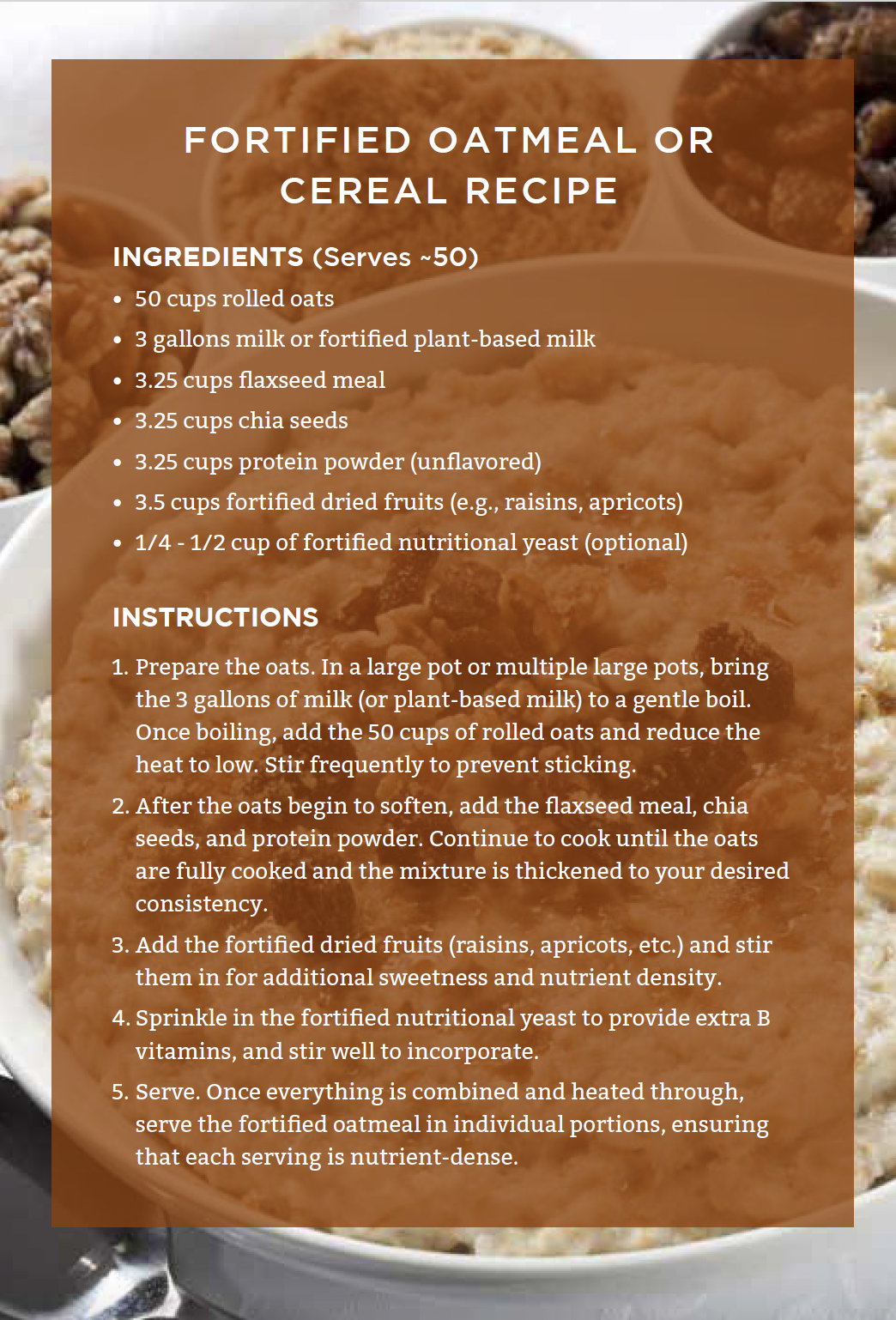
Fortifying foods with protein is a practical way to meet these elevated needs, especially when clients have difficulty consuming large meals. Many clients have a better appetite early in the day, so offering nutrient-dense breakfasts can be a good start. Fortification can be achieved with protein powders, yogurt, cheese, eggs, or even certain types of fortified cereals (see example recipe provided).
KEY NUTRIENTS: VITAMINS, MINERALS, AND MORE
Beyond protein, there are several key nutrients that CDM, CFPPs must prioritize based on USDA guidelines. These include:
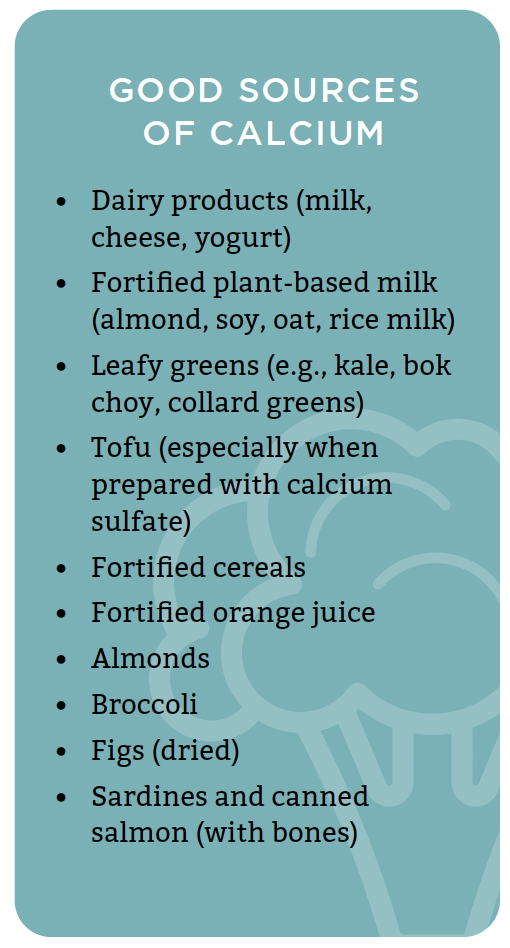
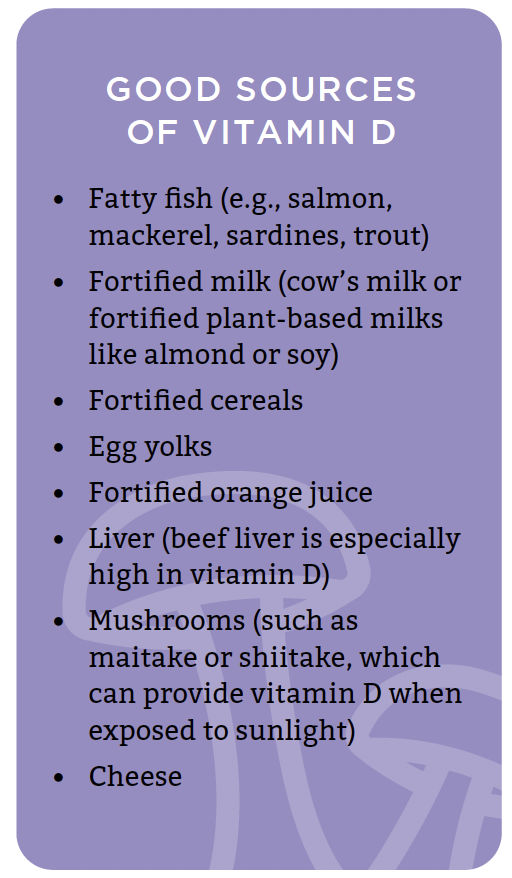
- Vitamin D and Calcium: Essential for bone health.
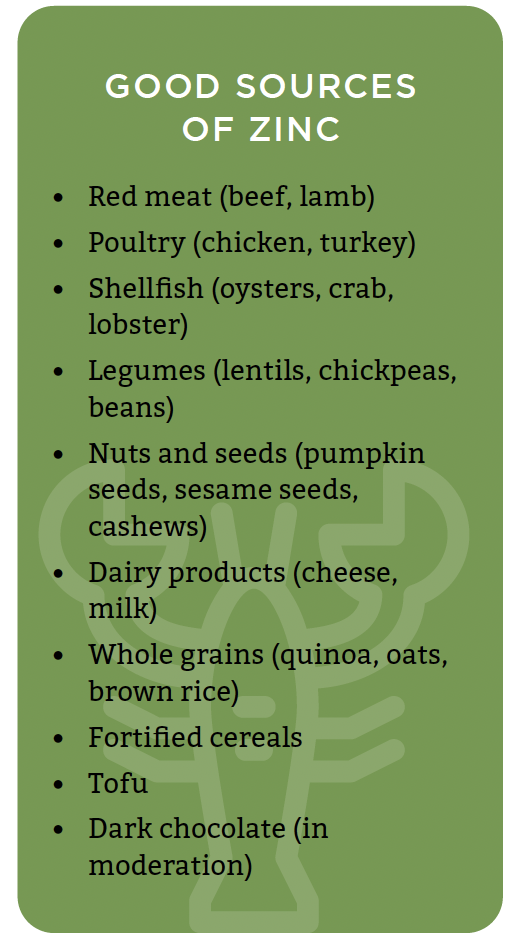
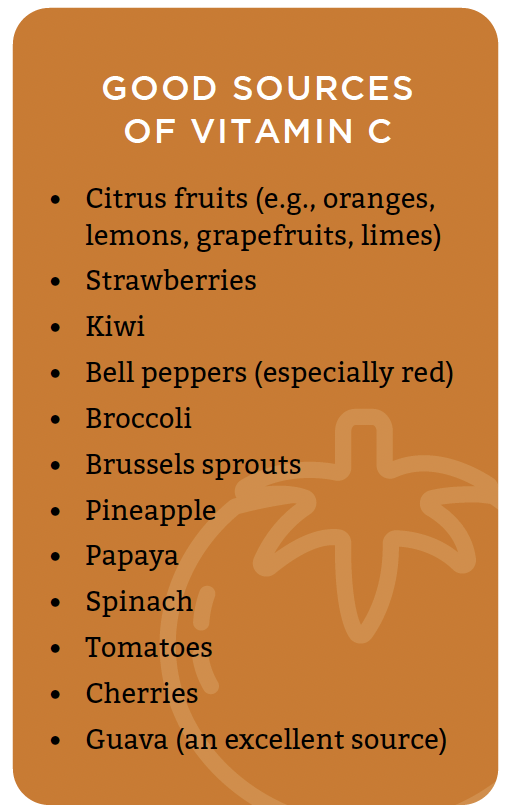
- Vitamin C and Zinc: Important for immune function and skin integrity.
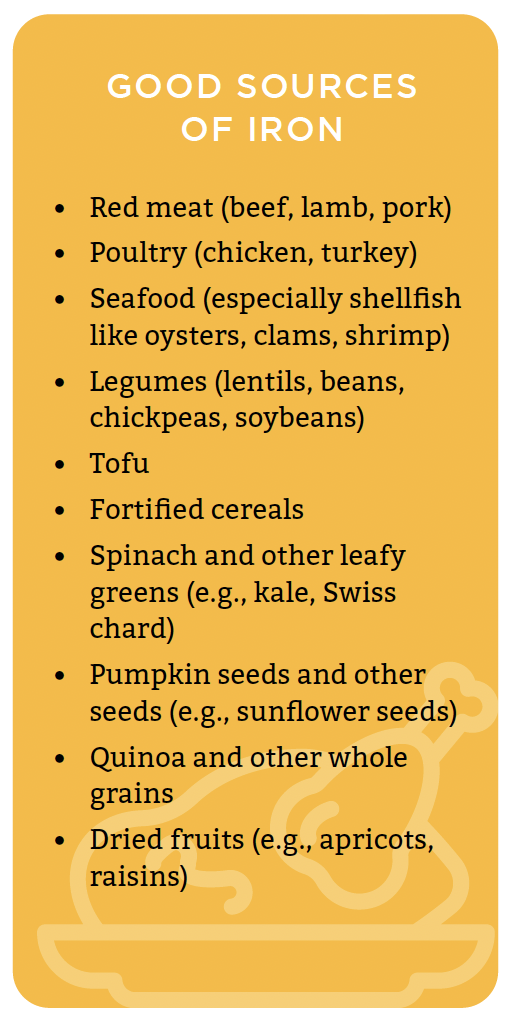
- Iron: Critical for those who are anemic or at risk of anemia.
For clients who may have a reduced appetite or specific nutrient deficiencies, the goal is to pack as many nutrients into the foods they will eat.
The Centers for Medicare & Medicaid Services (CMS) sets forth specific regulations aimed at improving the quality of care and services for clients in long-term care facilities, particularly focusing on nutrition and dining practices. One of the key regulations under the CMS guidelines is the requirement that facilities must provide an environment that supports client choice, autonomy, and dignity, which includes allowing clients to make choices about their meals. This is an essential component of the culture change movement in long-term care, which emphasizes creating an environment where residents have a say in their daily lives, including food preferences, mealtime flexibility, and food preparation methods (CMS, 2016). These regulations are grounded in the recognition that clients in long-term care settings should be treated with respect, and their individual dietary preferences and needs should be addressed, fostering an environment that supports their cultural and personal identities.
In line with CMS regulations, the “food first” approach is a growing practice within long-term care settings, encouraging the use of food as the primary means of providing necessary nutrition, rather than relying on supplements alone. This approach emphasizes using regular meals to meet the nutritional needs of residents by fortifying foods or offering nutrient-dense options that align with residents’ preferences and cultural practices. The integration of food-first strategies not only supports better nutritional outcomes, but also aligns with the principles of person-centered care, which is a fundamental aspect of culture change. By incorporating these practices, long-term care facilities promote residents’ autonomy over their food choices, ensuring meals are both nutritionally adequate and culturally appropriate. This shift is in direct response to CMS regulations, which encourage facilities to adopt practices that honor client choice while improving their overall well-being and quality of life.
In addition, if a client is not achieving nutrition goals with restrictive diet orders, working with the medical team to liberalize diet orders may be a key first step. For example, Jo has recently been admitted from the cardiac unit after a myocardial infarction (MI or heart attack) and has a “Cardiac Diet, low-sodium, low-fat” diet order. Jo’s intake is <25 percent and he is losing weight. His weight loss results in him having low energy and poor participation in his cardiac rehab exercises. If we can liberalize Jo’s diet to “regular,” which includes recommended amounts of key nutrients such as potassium, unsaturated fats, lean proteins, Vitamins E, A, D & K to improve acceptance and intake of his meals, he may get stronger and have better outcomes.
A recent study conducted in a long-term care facility highlighted the positive impact of the “food first” approach on skin healing and weight gain in residents. The research found that by fortifying meals with additional nutrients, such as protein and vitamins, rather than relying solely on oral nutritional supplements, there was a significant improvement in both skin integrity and weight maintenance among residents. The study demonstrated that nutrient-dense meals, tailored to the residents’ preferences and needs, enhanced overall nutritional intake, which in turn supported better wound healing and contributed to an increase in body weight in malnourished individuals (Thomas et al., 2023). These findings align with the growing body of evidence that emphasizes the importance of using food as the primary means of providing necessary nutrition in long-term care settings, reinforcing the effectiveness of food first and diet liberalization interventions in promoting both healing and overall health outcomes.
FORTIFIED FOODS AND EXAMPLES FOR DIFFERENT DIETS
Fortified Cereals and Breakfast Foods
Breakfast foods, particularly cereals, are often a staple meal in many healthcare settings. Because they are typically consumed at the start of the day when clients may have better appetites, this is an ideal opportunity to fortify them. By choosing cereals with added vitamins and minerals, CDM, CFPPs can boost intake without significant changes to the overall food structure.
The meal in the sidebar on the next page can provide an energy boost, fiber, and added protein, and the addition of seeds can provide omega-3 fatty acids, which are beneficial for skin and overall health.
IDDSI DIETS: DYSPHAGIA AND TEXTURE MODIFICATION
For clients on IDDSI diets, such as those with swallowing difficulties due to stroke, dementia, or other conditions, ensuring nutrient-dense foods are safe and easy to consume is paramount. IDDSI guidelines provide standardized textures that help prevent aspiration and choking.
Fortified Foods for IDDSI Diets
- Level 1 (Pureed): Smooth, creamy foods that are easy to swallow. Pureed oatmeal with added protein powder and milk is a good option for fortification.
- Level 2 (Mildly Thick): Soft, moist foods. Fortified mashed potatoes with added cheese and milk can meet energy and protein needs.
- Level 3 (Advanced Soft): Foods that can be mashed with a fork. For example, scrambled eggs with added protein powder or soft pancakes with fortified fruit spread.
Nutritional fortification can occur within the constraints of these textures, ensuring that the food remains safe for swallowing while still providing the nutrients needed for healing or maintaining health.
COST COMPARISON: IN-HOUSE FORTIFICATION VERSUS COMMERCIAL SUPPLEMENTS
An important consideration in the healthcare setting is the cost of fortifying foods compared to purchasing commercial nutritional supplements. While commercial supplements can offer a quick and convenient solution, they are often expensive, and the cost can add up significantly over time. In-house fortification, on the other hand, allows for more control over both the nutrient profile and the cost.
Cost of Commercial Supplements
- Commercial oral nutritional supplements typically cost between $2–$6 per serving, depending on the brand and type.
- Supplements often provide a limited set of nutrients and are not customizable to a client’s specific needs.
Cost of In-House Fortified Foods
- Protein Fortification: Protein powder or other fortified foods cost about $0.25–$1.00 per serving.
- Fortified Cereals: A serving of fortified cereal can cost around $0.30–$0.80 per serving when considering bulk purchases.
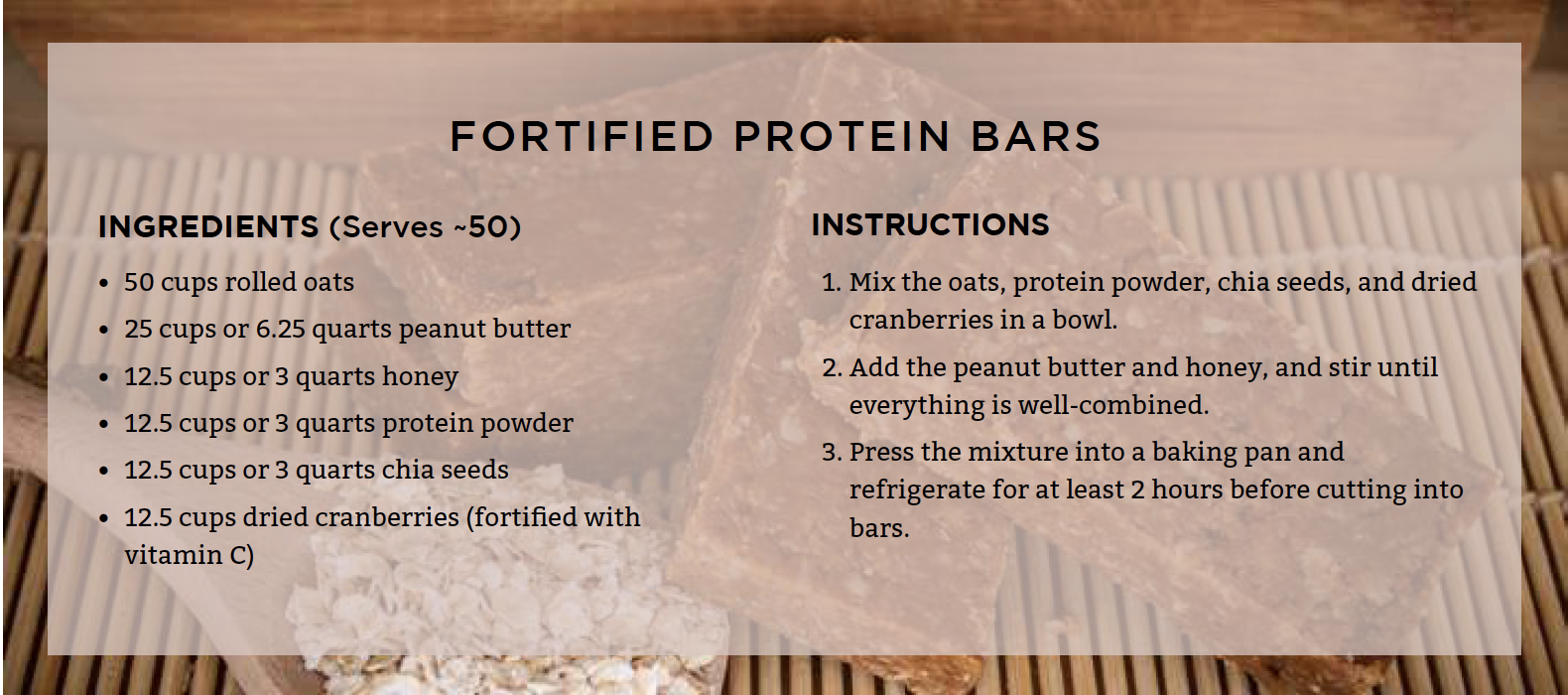
- Fortified Snacks: Homemade snacks such as protein bars or smoothies may cost between $0.50 and $2.00 per serving, depending on the ingredients used.
While in-house fortification requires upfront labor costs, particularly for preparation and individualized adjustments to meet client needs, it is often more cost-effective in the long term, particularly in settings where many clients require supplemental nutrition.
The protein bars recipe provided here can be modified to add other fortified ingredients based on client needs, such as adding powdered calcium, vitamin D, or zinc to support bone health.
CONCLUSION
For CDM, CFPPs, adopting a “food first” approach that includes fortifying commonly-consumed foods like cereals, breakfast foods, and snacks is an effective and economical way to ensure clients meet their nutritional needs. By prioritizing nutrient-dense foods, fortification, and adapting meals to meet specific health needs (such as those on IDDSI diets), healthcare providers can improve patient outcomes while controlling costs. In-house fortification, though requiring labor and planning, can often be more cost-effective than relying on commercial nutritional supplements, allowing healthcare facilities to provide personalized, nutrient-dense options for clients across a wide range of needs.
About the Author
Kristin Klinefelter, MS, RDN, LDN
Kristin Klinefelter works in a variety of nutrition and foodservice settings and is proud to be known as “the smoothie lady” after implementing a birthday smoothie program in local elementary schools, a passion project with the goal to improve intake of fruits and vegetables in elementary-aged children.