This Culinary Connection CE article appeared in the May/June 2026 issue of Nutrition & Foodservice Edge magazine. To view a PDF of this article click HERE.
To earn 1.0 GEN CE credit, purchase the CE article in the ANFP Marketplace HERE or click the button below and complete the quiz.

This course is a level III continuing competence. View continuing competence level descriptions HERE.

Culinary Trends to Support Healthy Aging: Practical Strategies for Long-Term Care Dining
By: Kathy Murdock, MS, RD, LD
Mrs. Allen slowly stirs her oatmeal, letting it cool as she watches others eat. Across the dining room, Mr. Rivera finishes a fruit smoothie but leaves his entrée uneaten. Ms. Lopez nibbles on crackers between activities rather than sitting for full meals, while Mrs. Patel quietly pushes away another bland “heart-healthy” plate. Nearby, Mr. Davis forgets to eat unless someone gently reminds him. Mrs. Green’s drink and entrée are untouched.
These scenes are familiar in long-term care, and they illustrate a central truth: aging changes how individuals experience food, hunger, and nourishment.
Older adults often experience decreased appetite, slower gastric emptying, reduced taste and smell, medication side effects, chronic inflammation, and multiple disease states, sometimes simultaneously. These changes can reduce appetite and raise the risk of malnutrition, sarcopenia, constipation, cognitive decline, cardiovascular complications, and impaired skin integrity. The response to these issues cannot be simply serving larger portions of the standard menu. An effective approach is to create interventions that are individualized, appealing, and more supportive of quality of life.
Many culinary trends align naturally with goals that support healthy aging. Protein-rich meals, gut-friendly foods, flexible dining patterns, brain-supportive ingredients, flavor-forward heart-healthy cooking, and skin-supportive nutrition can all be translated into practical menu changes. When dietary teams understand the science behind these trends, they can use them to strengthen both resident satisfaction and clinical outcomes.
PROTEIN FOR STRENGTH AND FUNCTION
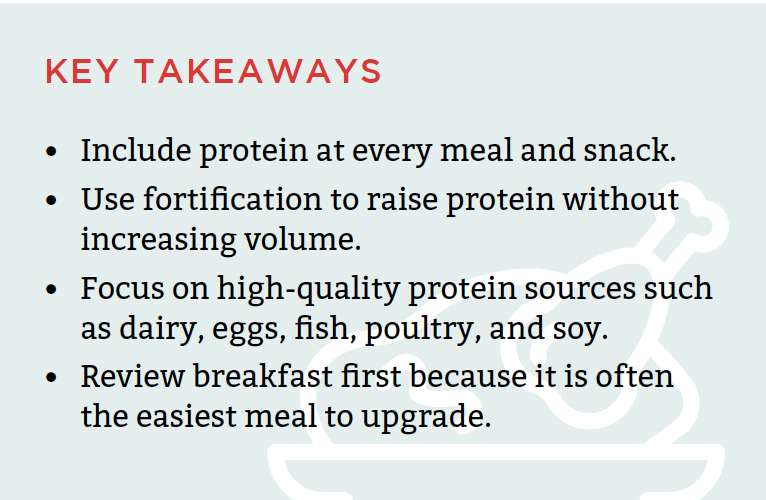
The focus on protein is a trend that is not new but continues to be one of the most popular. Menus increasingly feature high-protein breakfasts, fortified snacks, protein beverages, and desserts with added nutritional value. This shift reflects growing recognition that older adults often require more deliberate protein support than younger adults, not just because of lower intake but because of age-related changes in metabolism. In long-term care, this trend is especially relevant because muscle loss, fatigue, rehabilitation needs, and wound risk are daily concerns rather than abstract concepts. Malnutrition continues to be one of the risk factors for decline in the aging population.
Healthy Aging Impact and Mechanisms
Aging is associated with sarcopenia, the gradual loss of muscle mass, strength, and performance. One reason is anabolic resistance, a process in which aging muscle responds less efficiently to dietary protein. In practical terms, an older adult may eat a modest amount of protein and still fail to trigger muscle protein synthesis as effectively as a younger person. Leucine-rich proteins such as dairy, eggs, fish, poultry, and some soy foods are especially helpful because leucine stimulates metabolic pathways involved in muscle building and repair. Adequate protein intake also supports immune function, enzyme production, tissue repair, and recovery after illness or injury. When protein intake remains inadequate, residents may experience worsening weakness, higher fall risk, slower rehabilitation progress, and poor healing.
Applying the Trend in Long-Term Care
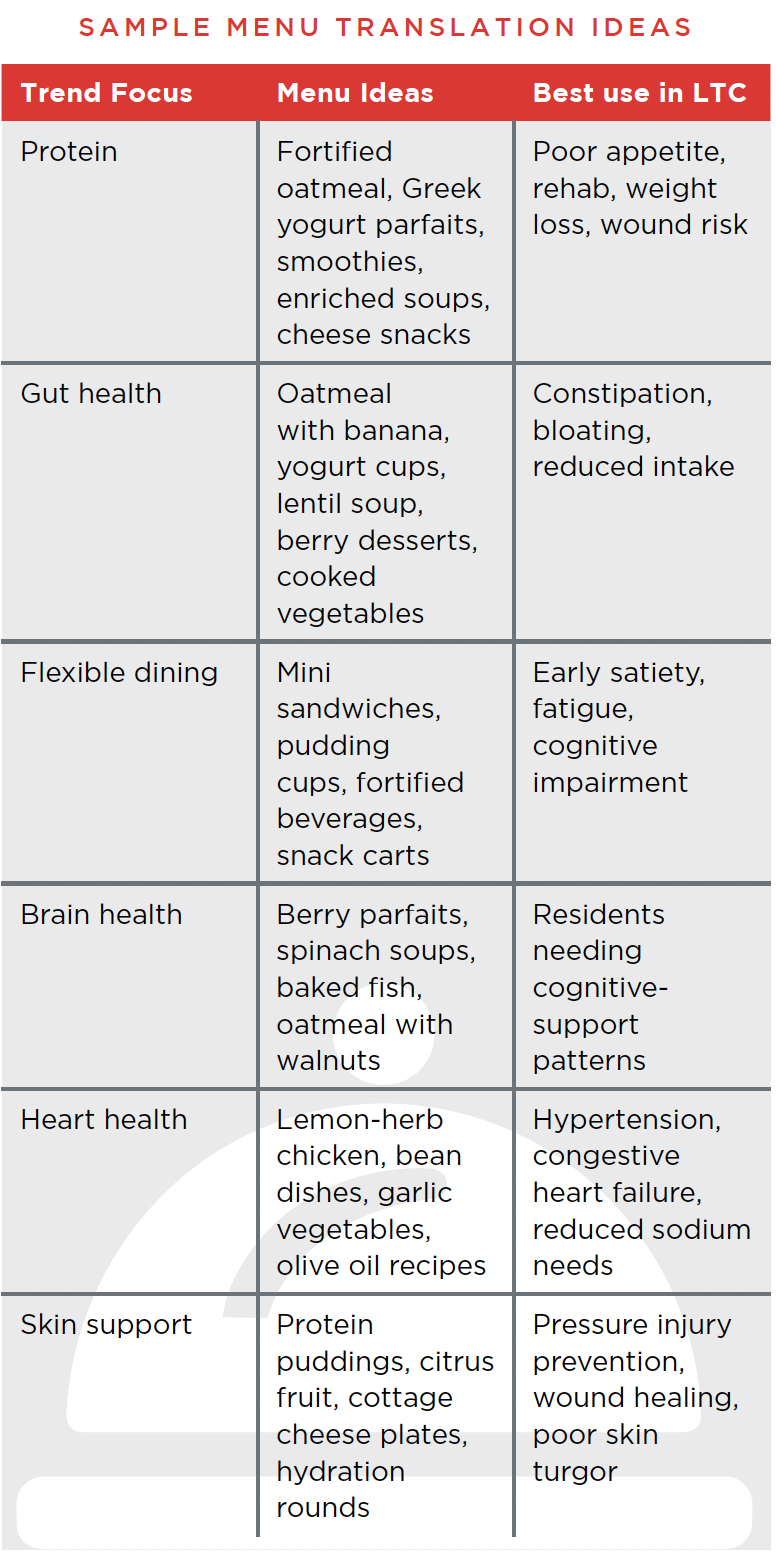
For long-term care, the key is not simply adding more meat at supper. It is building protein exposure across the entire day and embedding it into foods residents already accept. Breakfast should no longer be the lowest-protein meal. Menus can include scrambled eggs with cheese, Greek yogurt parfaits, cottage cheese fruit plates, fortified hot cereal made with milk, and peanut butter toast. Lunch and supper can use enriched soups, casseroles, shredded meats with gravy, protein-rich soups, and mashed potatoes fortified with dry milk powder. Snacks can include cheese and crackers, yogurt, smoothies, protein puddings, mousse, and fortified milkshakes. This approach helps residents with small appetites because it raises nutrient density without requiring large portions.
GUT HEALTH AND THE MICROBIOME
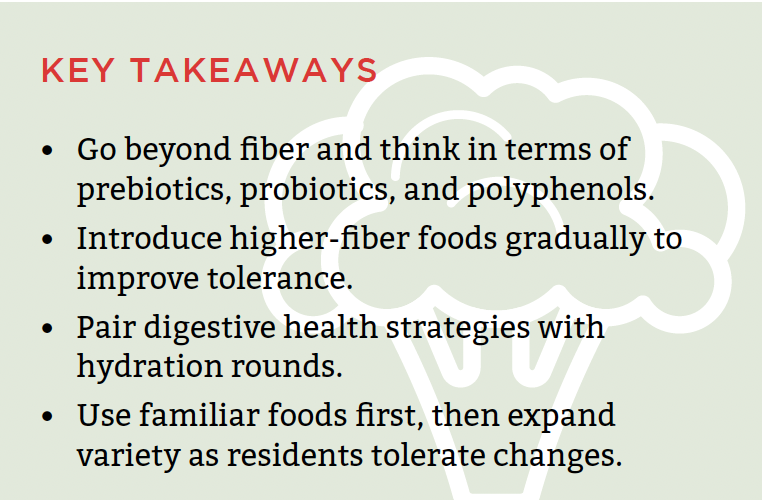
Gut health has expanded far beyond the older message of “eat more fiber.” Current nutrition and food trend reports increasingly focus on the microbiome and the role of prebiotics, probiotics, polyphenols, and resistant starches. This trend is especially useful in aging because digestive comfort strongly influences willingness to eat. Residents who feel bloated, constipated, or uncomfortable frequently reduce intake, which often affects nutritional status. Supporting gut health can improve overall meal acceptance and decrease the risk of malnutrition.
Healthy Aging Impact and Mechanisms
The gut microbiome tends to become less diverse with age, and that loss of diversity has been associated with inflammation, poorer immune regulation, altered bowel patterns, and reduced resilience. Prebiotic foods such as oats, bananas, onions, garlic, beans, and certain whole grains feed beneficial bacteria. These bacteria produce short-chain fatty acids, especially butyrate, which help maintain the gut barrier, support the cells lining the colon, and reduce inflammatory signaling. Probiotic foods such as yogurt and kefir can help maintain microbial balance, while polyphenol rich foods such as berries, cocoa, tea, and colorful fruits and vegetables appear to encourage beneficial microbial activity. Resistant starches found in legumes and cooled potatoes or rice may provide additional support. In older adults, these mechanisms matter because digestive health is closely tied to comfort, immune support, regularity, and even the gut brain axis.
Applying the Trend in Long-Term Care
Gut-supportive menus should be practical, gradual, and resident-friendly. It is usually best to start with well-tolerated foods first. Breakfast can include oatmeal with banana, applesauce with cinnamon, or yogurt with berries. Lunch and supper can include lentil or bean soup, bean-based chili, oatmeal muffins, cooked carrots, squash, green beans, and recipes flavored with garlic and onions. Soft fruit, stewed prunes, berry parfaits, and yogurt cups work well as snacks or desserts. Adequate hydration must be paired with fiber and prebiotic foods, or residents may become more uncomfortable rather than less. The goal is not utilizing a single superfood trend, but to create a pattern of microbiome-supportive eating across the menu.
FLEXIBLE DINING AND SMALL MEALS
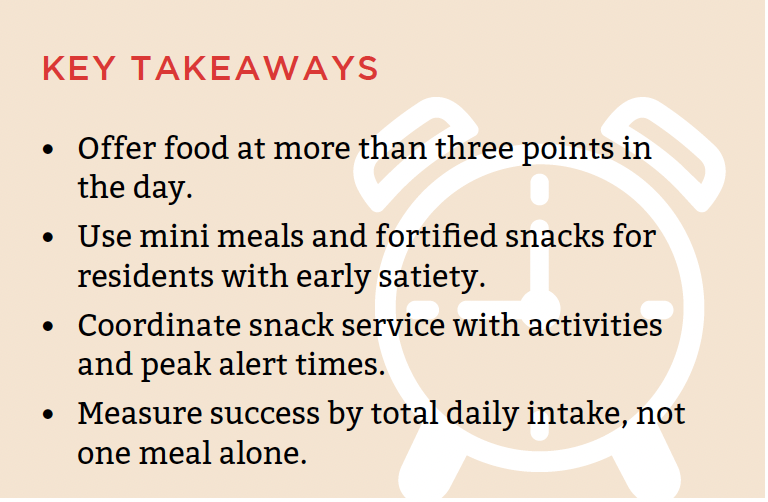
Small bites and snacks are a common trend throughout the culinary scene. This aligns with flexible dining in senior living facilities. Residents increasingly want choice, convenience, and eating opportunities that fit their routines rather than rigid institutional mealtimes. This trend fits aging physiology well because many older adults do not tolerate large meals. They may become full quickly, feel tired while eating, or simply do better with smaller portions offered more often. Flexible dining acknowledges that intake can be improved when the system adapts to the resident — not the other way around.
Healthy Aging Impact and Mechanisms
Appetite regulation shifts with age. Hunger cues may be blunted, satiety may occur earlier, and medications can suppress appetite or create nausea, dry mouth, or taste changes. Slower gastric emptying also means that large meals can feel uncomfortable and remain in the stomach longer. Smaller, more frequent meals can reduce the burden of each eating occasion while improving total calorie and protein intake across the day. This pattern may also help maintain steadier energy levels and reduce the “all or nothing” problem in which a resident misses much of the day’s intake because one large meal was poorly tolerated.
Applying the Trend in Long-Term Care
Long-term care menus can support this trend through snack carts, mini meals, liberalized timing, and foods that are easy to eat in social or activity settings. Useful menu ideas include smoothies, fortified hot chocolate, yogurt parfaits, half sandwiches, egg salad cups, mini soups, soft cheese plates, pudding cups, baked oatmeal bars, and other finger foods. Facilities can coordinate to serve snacks during bingo, crafts, or afternoon socials. Instead of asking only whether a resident finished the meal tray, staff can ask how they can accommodate their needs and individual appetite throughout the day. This mindset shift often improves intake because nutrition is spread throughout the day rather than forced into one sitting.
BRAIN-HEALTHY CULINARY PATTERNS AND THE ‘MIND’ DIET
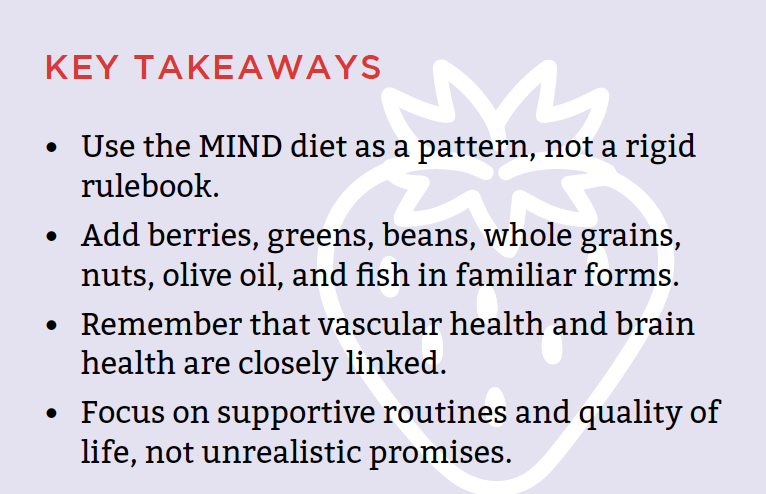
Brain-health eating patterns have become increasingly visible in both public health guidance and consumer food trends. Among the most discussed is the MIND diet, which stands for Mediterranean-DASH Intervention for Neurodegenerative Delay. It combines features of the Mediterranean diet and the DASH diet, and places emphasis on foods that appear strongly linked with cognitive protection. Rather than focusing on one nutrient, it uses an overall pattern built around leafy greens, other vegetables, berries, whole grains, beans, nuts, olive oil, fish, and limited amounts of less protective foods such as butter, fried foods, and sweets.
Healthy Aging Impact and Mechanisms
Cognitive decline is influenced by multiple pathways, including oxidative stress, neuroinflammation, insulin resistance, and vascular damage. Foods emphasized in the MIND pattern help address several of these mechanisms at once. Leafy greens provide folate, vitamin K, lutein, and other compounds tied to brain function. Berries, particularly blueberries and strawberries, supply flavonoids that may help reduce oxidative damage and improve neuronal signaling. Fish contributes omega-3 fatty acids that support cell membrane integrity and may help regulate inflammation. Whole grains and beans support vascular and metabolic health, because heart supportive ingredients often support the brain. Olive oil and nuts provide unsaturated fats and antioxidant compounds that may help protect against inflammatory processes. Although nutrition cannot reverse dementia, dietary patterns such as the MIND diet might help support cognitive resilience, daily function, and quality of life.
Applying the Trend in Long-Term Care
In long-term care, MIND-style foods can be introduced into familiar, acceptable dishes rather than creating a menu that feels restrictive or unfamiliar. Berry parfaits, oatmeal topped with walnuts, spinach blended into soups, vegetable-rich casseroles, bean soups, baked fish, olive oil-based dressings, and soft-cooked greens are all acceptable options, as well as snacks that include fruit, whole grains, and nut butters. For residents with chewing or swallowing concerns, these ingredients can often be included in puréed soups, soft casseroles, or fortified side dishes. This trend also creates an opportunity for family communication because relatives often appreciate seeing practical steps that support brain health even when a diagnosis is already present.
HEART-HEALTHY FLAVOR-FORWARD COOKING
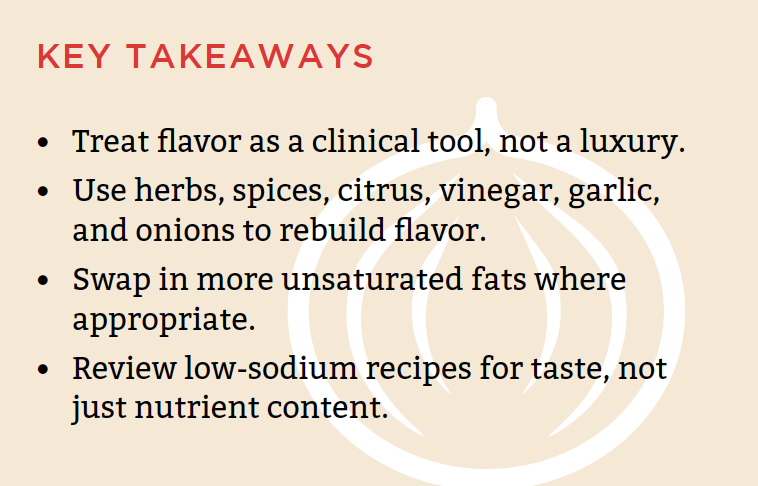
Across the food industry, flavor-forward cooking is replacing the old idea that healthier food must be bland. This trend emphasizes herbs, spices, acidic ingredients like lemon or vinegar, aromatics such as garlic and onion, and healthier fats that improve satiety, taste, and satisfaction. In long-term care, this can make a significant difference in acceptance because residents often reject heart-healthy meals not because they oppose the diet order, but because the food is bland. A meal that is technically compliant but poorly eaten defeats the overall purpose of a heart-healthy eating plan.
Healthy Aging Impact and Mechanisms
Cardiovascular disease remains highly prevalent in older adults, and diet plays an important role in blood pressure control, lipid management, inflammation, and vascular function. Reducing sodium can support blood pressure management, while replacing saturated fats with unsaturated fats such as olive oil can improve lipid profiles. Herbs, spices, vegetables, legumes, nuts, and plant oils also support antioxidant and anti-inflammatory pathways that may help reduce vascular stress. These foods support cell function, reduce excess sodium load, and improve dietary quality without sacrificing taste and acceptance. Flavor is clinically important because when food tastes better, intake often improves, and residents are more likely to remain satisfied with modified diets when they are necessary.
Applying the Trend in Long-Term Care
Heart-healthy flavor-forward menus can include lemon-herb chicken, roasted vegetables with garlic, tomato-based sauces layered with herbs, bean dishes, oatmeal breakfasts, fruit forward desserts, and recipes using olive oil in place of heavier fats when appropriate. Citrus zest, vinegars, rosemary, basil, paprika, pepper blends, onions, and garlic can all increase flavor complexity. Dietary teams can also review recipes that became flat after sodium reduction and rebuild them intentionally, rather than simply removing salt. This trend supports both cardiac goals and dining satisfaction, which makes it especially practical for long-term care.
SKIN-SUPPORTIVE NUTRITION FOR INTEGRITY AND HEALING
Skin-supportive nutrition is receiving more attention as long-term care teams increasingly connect menu quality with pressure injury prevention and wound recovery. While skin care is often discussed from a nursing perspective, nutrition is one of the few modifiable daily factors that directly influences the body’s ability to maintain tissue integrity and repair damage. This makes it a highly practical area for culinary translation.
Healthy Aging Impact and Mechanisms
Aging skin becomes thinner, drier, and less elastic because of reduced collagen production, lower water content, and poor circulation. When illness, immobility, or inadequate intake occurs, skin breakdown risk increases. Protein is essential for tissue repair. Vitamin C supports collagen synthesis and immune function. Zinc contributes to wound healing and cellular repair processes. Adequate energy intake is also necessary because the body cannot build or heal tissue efficiently when calories are insufficient. Hydration is also important because skin turgor and circulation are affected by fluid status. In long-term care, poor nutritional status can quickly become visible through slow healing, fragile skin, and higher-pressure injury risk.
Applying the Trend in Long-Term Care
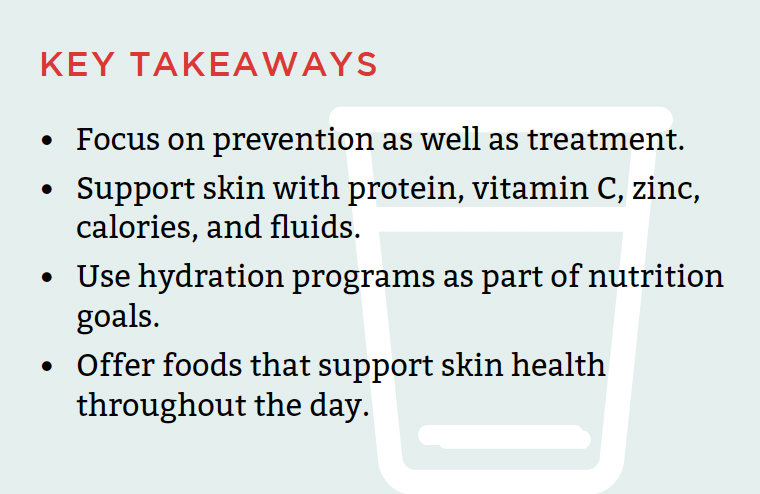
Menu planning for skin support should include consistent protein at meals and snacks, vitamin C-rich foods such as citrus fruits, berries, tomatoes, and peppers, and regular hydration opportunities. Useful menu ideas include fortified cream soups, cottage cheese fruit plates, smoothies, protein puddings, scrambled eggs, chicken salad, yogurt, orange slices, and hydration carts with appealing beverages.
Residents at high skin risk may benefit from targeted snacks between meals to help meet needs that support skin integrity and healing. Skin-supportive nutrition should be proactive, not only added after a wound appears.
BRINGING IT ALL TOGETHER: A DAY OF DINING IN PRACTICE
As the morning begins, Mrs. Allen is offered oatmeal made with milk, topped with berries and a slice of whole grain toast with peanut butter. On the side, she has a small serving of Greek yogurt. The familiar foods feel comfortable, but now they also provide protein, fiber, and antioxidants to support both muscle and cognitive health.
Mid-morning, Mr. Rivera receives a smoothie made with milk, peanut butter, and banana. It is easy to drink, nutrient-dense, and provides the protein needed to support his ongoing therapy progress.
At lunch, Ms. Lopez joins an activity group where small plates are served instead of a traditional tray. She chooses a half sandwich, a cup of lentil soup, and a few bites of fruit. The smaller portions feel manageable, and the social setting encourages her to eat more than she typically would at a full meal.
Dinner features baked fish with lemon and herbs, roasted vegetables, and a small portion of fortified mashed potatoes. Mrs. Patel eats more than usual, not because she was instructed to, but because she enjoys it.
Later in the afternoon, Mr. Davis is offered a berry yogurt parfait and a handful of walnuts during a quieter time of day when he is most alert. These foods support brain health while also fitting naturally into his routine. The inclusion of additional fiber and probiotics help with his complaints of constipation.
Throughout the day, hydration rounds ensure that residents are receiving adequate fluids. Mrs. Green, who has been recovering from a pressure injury, is encouraged to drink regularly and is provided with protein-rich snacks and vitamin C–rich foods to support healing.
By the end of the day, no single meal stands out as dramatic or complex. Instead, it is the consistency of small, thoughtful choices that makes the difference. Protein is distributed across meals. Gut-supportive foods are incorporated naturally, portions are adapted to appetite, flavor enhances intake, and nutrients boost healing.
CONCLUSION
Culinary trends can be practical in long-term care when they are implemented in small ways, without being overenthusiastic. Small changes in the quality of meals and snacks can have a big impact, as described above.
Healthy aging does not happen by chance. It is supported by repeated daily decisions, including what is offered on the menu, how food is prepared, and when eating opportunities are made available. When dietary teams intentionally translate trends into resident-centered menus, every meal becomes an intervention.
About the Author
Kathy Murdock, MS, RD, LD
Kathy Murdock has been working in nutrition and dietetics since 2007. Her current role is with Davita Kidney Care. For many years, she worked as a consultant dietitian in long-term and acute care in rural southeast Missouri and northeast Arkansas. She has a passion for teaching, writing, and public speaking. At the beginning of her career, Murdock was employed for eight years at a community college in northeast Arkansas teaching future CDM, CFPPs and nursing students.